
Why the Cheapest Auto Transport Quote Is Usually Not the Best Deal
If you are moving one car, the cheapest quote in your inbox feels like a win. We understand the instinct. Shipping a car is not something most people buy every year, the prices are all over the place, and nobody wants to overpay.
But in auto transport, the lowest number is very often the one that costs you the most in the end. Not always in dollars. In days. In phone calls. In a car that is still sitting in the driveway a week after it was supposed to be gone.
Here is what is actually happening behind that low quote, and why it happens to single car shippers more than anyone else.
Your car is competing for a slot on a truck
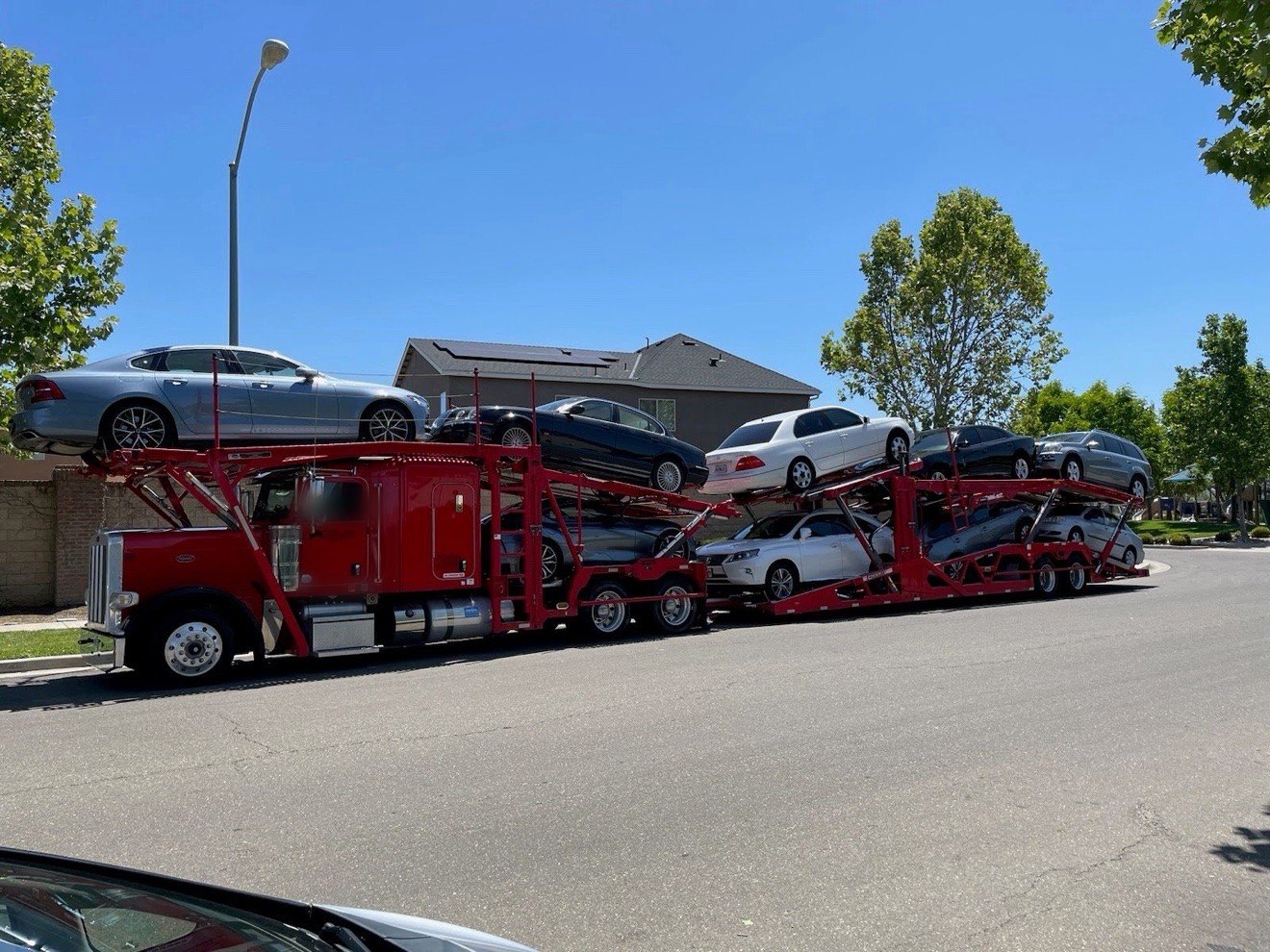
A car carrier does not run like a delivery van with endless room. A typical open carrier hauls eight to ten vehicles at a time, and the driver builds a route out of the loads available along the way. Every slot on that trailer is worth money, and every stop costs time, fuel, and effort.
When a driver or dispatcher looks at the loads on offer, they are asking simple questions. How many cars can I pick up in one stop. How far out of my way is each pickup. Does the pay for this load justify the miles and the time.
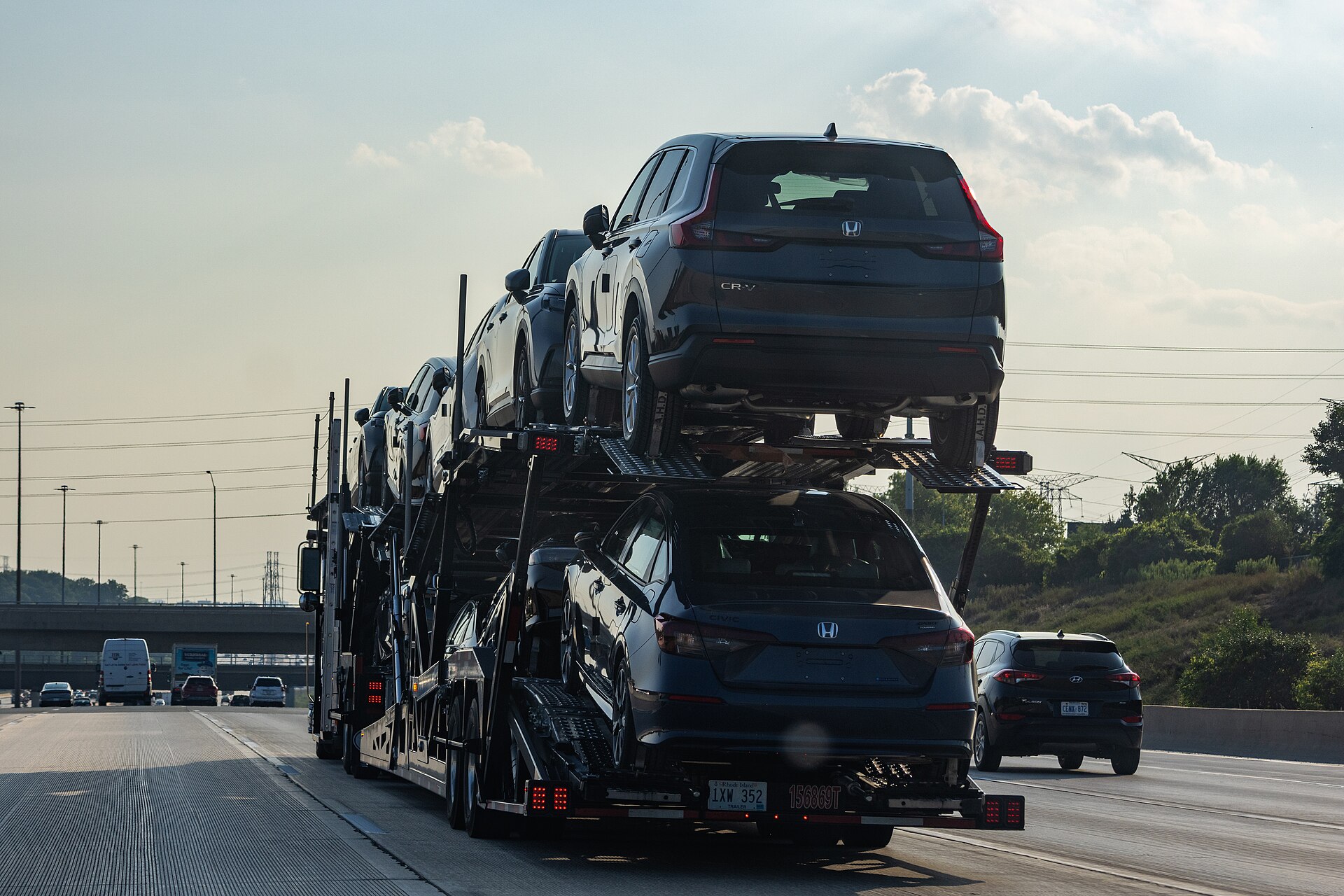
Your car is one answer to those questions, competing against every other answer on the board that day.
One car against a fleet order
This is the part most customers never hear about. A large share of the vehicles moving on carriers at any given time are not individual relocations. They are dealership orders, rental fleet moves, auction purchases, and company fleets, often several vehicles at a single location.
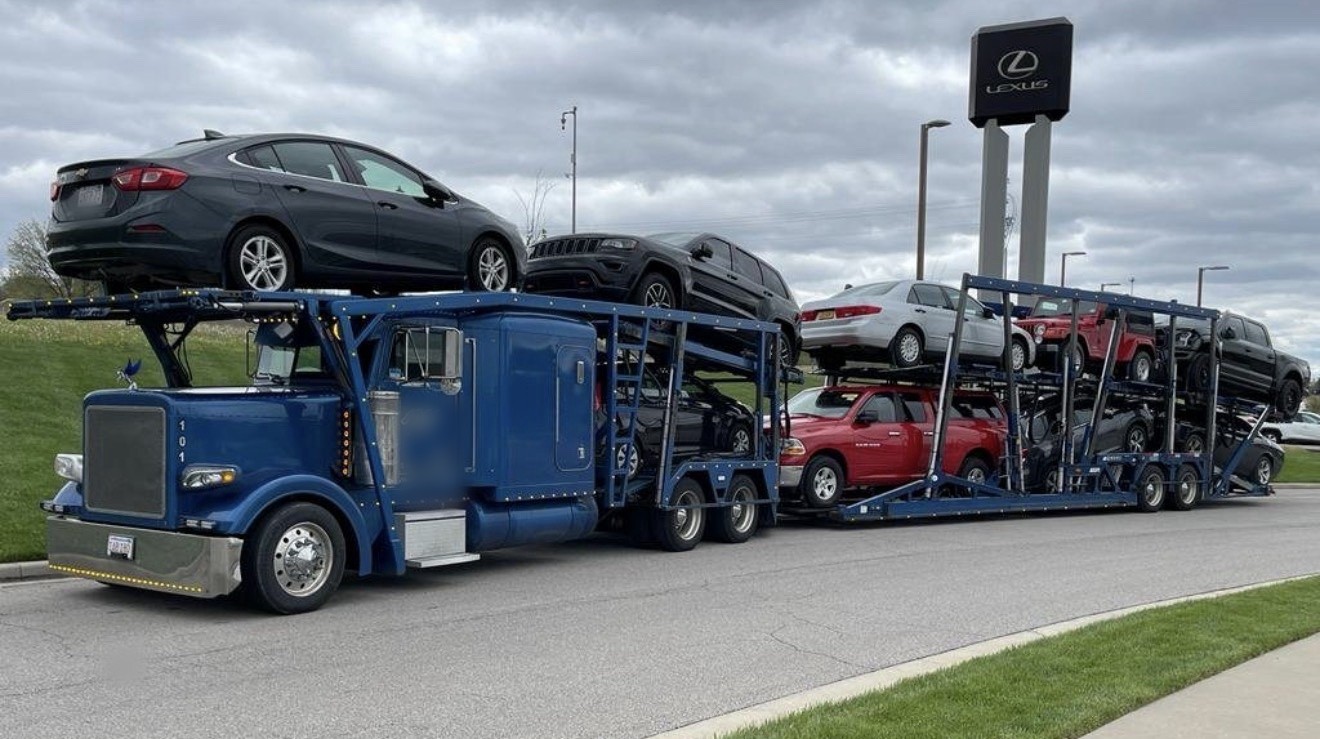
Put yourself in the driver's seat for a moment. At one stop, a dealership has four cars ready, paperwork done, all going the same direction. Across town, or twenty miles off the route, there is a single car at a house. Both loads pay roughly the same per car.
The fleet stop wins almost every time. It fills four slots in one visit, with one set of paperwork and no guesswork. The single car asks the driver to spend the same stop time, plus a detour, for one slot of revenue.
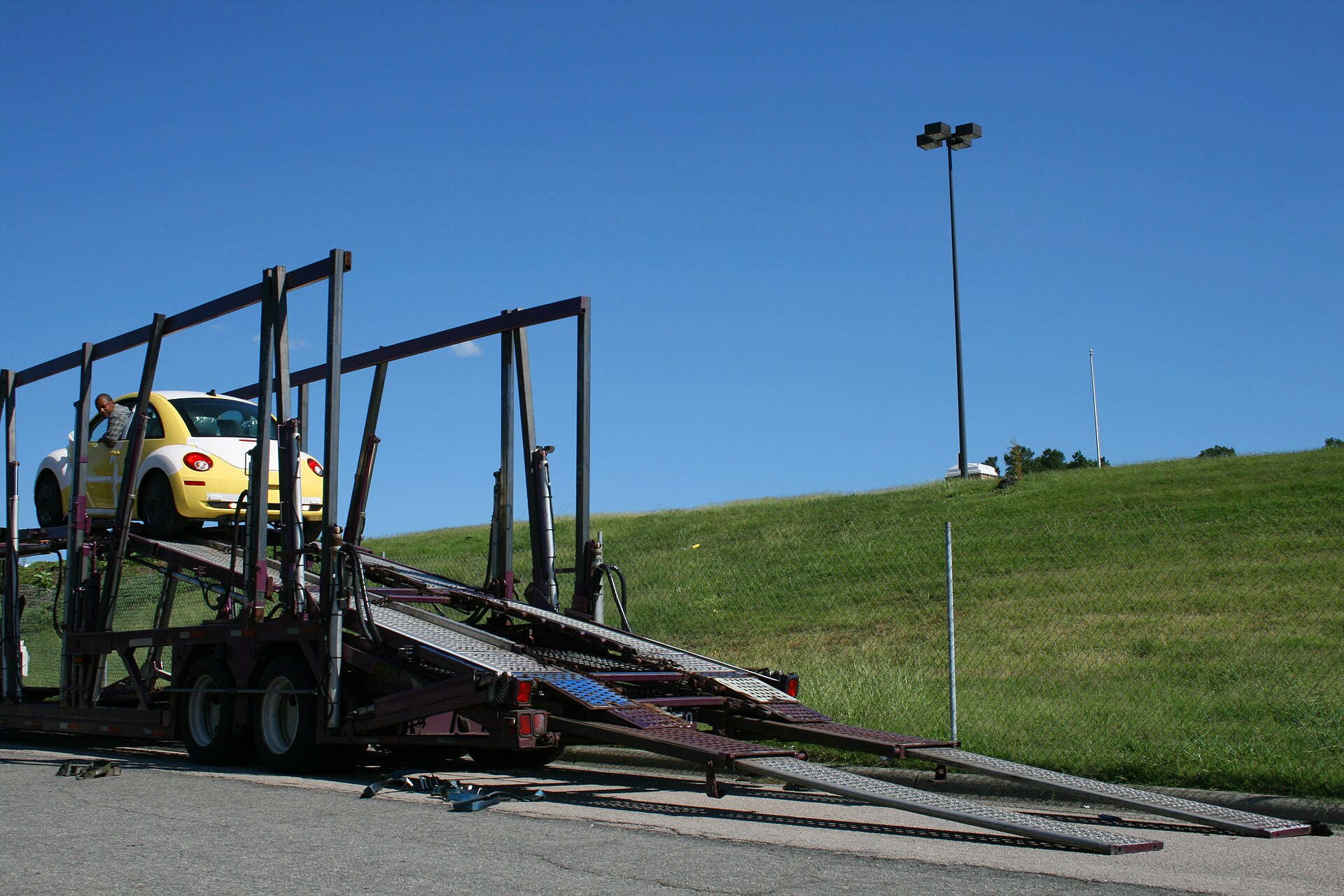
None of this is personal, and none of it means a single car cannot ship well. Single cars ship every day. It means a single car has to be priced so that the stop is worth the driver's while. When the price is cut to the bone, the math stops working, and the load sits.
What a too cheap quote usually turns into
Here is the pattern we see over and over when someone books the lowest quote they can find.
The booking is accepted and the customer is told a pickup window. Then the window slides. The broker is waiting for a carrier to accept the load at that price, and carriers keep passing it over for better paying freight. Days go by. The customer rearranges work, travel, or a home closing around a pickup that keeps moving. Eventually one of two things happens. The price quietly gets raised to the level it should have been at the start, or the car ships late after a stressful week.
In some cases the low quote was never real to begin with. A company quotes below market on purpose to win the booking, knowing full well the car cannot move at that number. The increase comes later, after the customer is committed and out of time to start over.
The frustrating part is that the customer did nothing wrong. They compared prices and picked the lowest, the way you would with almost anything else. Auto transport just does not work like a store shelf. The quoted price is not a product sitting in a warehouse. It is an offer that a real driver, with real choices, has to accept.
The most expensive quote is not the answer either
We are not arguing you should pay top dollar. An above market price does not buy you a better truck, a more careful driver, or a faster route. Past a fair point, extra money is just extra money. Some companies charge premium prices for the same carrier network everyone else uses.
So the goal is not cheapest, and it is not most expensive. The goal is the fair middle, a price that reflects what your lane, your vehicle, and the current season actually cost to move. At a fair price, a good carrier accepts your load promptly because the stop makes sense. Your car gets scheduled, picked up, and delivered on a timeline everyone can plan around. That is the deal worth having.
How to give a single car its best shot
A few things genuinely help an individual shipment compete.
Be honest and complete about the vehicle. Year, make, model, running condition, and anything that changes the size or handling. Surprises at pickup are how loads get refused or repriced.
Build in a little date flexibility if you can. A carrier whose route passes your town on Thursday cannot always be there on Tuesday. A window of a few days puts your car in front of far more trucks.
Book ahead during the busy seasons. Fall and spring snowbird traffic and the summer moving season fill trailers fast, and prices rise with demand. A fair quote in a peak week will be higher than the same lane in a quiet month. That is the market, not a markup.
And judge the quote by whether the company can explain it. A fair broker can tell you what the lane is doing, why your price is what it is, and what happens if a carrier is not assigned right away. A number with no explanation behind it is a number to be careful with.
Five questions that tell you whether a quote is real
Before you book anyone, including us, ask these.
What is the deposit, and when exactly is it charged. A company that takes your money before a carrier exists has been paid whether your car moves or not. The safer arrangement is a deposit that is only charged once a carrier is assigned to your shipment.
Is this price the price, or can it change. Get the answer in plain words. Market conditions can shift a quote before booking, but a booked price should be a booked price.
What happens if no carrier is assigned by my pickup date. A straight company has a straight answer, even if the answer is that the price may need to be revisited with your approval. Evasion here is a warning sign.
Who is actually moving my car. Brokers arrange transport and carriers haul it. That is a normal and legitimate setup, as long as the company tells you clearly which one they are.
Can you explain why my lane costs this. Distance matters, but so do direction, season, and how much traffic runs between your two cities. A company pricing from the real market can walk you through it in a minute.
None of these questions require you to be an expert. They require the company to be one.
How we price at Freedom Transport
We price to the real market for your route, not below it to win the click and not above it because we can. When you book with us, your card is not charged until a carrier is actually assigned to your shipment. If we cannot get your car assigned at the price we quoted, we would rather tell you that straight than let your car sit on a board while the pickup window slides.
The cheapest quote is usually not the best deal because a quote is only a promise until a driver accepts it. A fair price is the one that turns into a pickup, a delivery, and a customer who is not spending their week on the phone. That is the end of the business we work on, one car at a time.
Get a free quote
Tell us where your vehicle starts and where it is headed, and we will price the move as it actually is. Nothing is due until we assign your carrier.
Photo credits: highway carrier photo by Dillan Payne, CC BY-SA 4.0, via Wikimedia Commons. Single car delivery photo by Ildar Sagdejev (Specious), CC BY-SA 4.0, via Wikimedia Commons. Remaining photos are Freedom Transport Service photos.